
Building resilient healthcare workforces in 2026 and beyond

Australia’s healthcare and aged care sectors are facing a period of significant transformation.
With an ageing population, increasing demand for services and evolving regulatory expectations, the importance of building a resilient healthcare workforce has never been greater.
For providers, workforce resilience is no longer simply about filling vacancies. It is about developing sustainable workforces that support quality care and long-term operational stability. Below we explore the top priorities for building resilient care teams in 2026 and why it’s imperative for your business.
Rising demand is changing care service delivery
Australia’s population is ageing rapidly; with this shift comes growing demand for healthcare, aged care and community services. Residents are increasingly presenting with complex health needs, including chronic conditions that require consistent monitoring, coordinated care and skilled clinical oversight.
This evolving care landscape places additional pressure on providers to ensure they have the right workforce in place. Without stable staffing structures, maintaining continuity of care and meeting regulatory standards can become more challenging.
Key pressures providers face today
Healthcare providers across Australia continue to navigate several workforce challenges, including:
- Recruitment shortages in key clinical and care roles
- Workforce burnout and fatigue following years of increased demand
- Competition for skilled professionals across health and community sectors
- Staffing pressures in regional and rural communities.
These factors highlight the need for proactive workforce planning rather than reactive recruitment.
Why stable teams deliver better care
Resilient healthcare workforces are built on stability. When care teams are consistent and well supported, organisations are better positioned to deliver high-quality, person-centred care. It also contributes to stronger team culture and collaboration, as staff who work together regularly are better able to communicate, support one another and maintain shared standards of care.
Consistency within teams can also help providers maintain compliance with regulatory standards, as experienced staff are more familiar with procedures, documentation requirements and best practice approaches. In addition, a stable workforce reduces reliance on short-term staffing solutions, which can sometimes disrupt team cohesion and continuity of care. When staff remain in their roles and feel supported in their workplaces, they are also able to build meaningful relationships with residents and patients. These relationships are an important part of wellbeing, trust and overall quality of care.
How development drives retention & capability
Providers who prioritise workforce development often see improved staff retention, as employees are more likely to remain with organisations that invest in their professional growth. Ongoing training and learning opportunities also contribute to stronger clinical capability across care teams, helping staff respond effectively to the increasingly complex health needs of residents and patients. In addition, opportunities for development can improve morale and motivation, creating a more positive and supportive workplace culture.
Ultimately, supporting staff growth benefits not only individual team members but the entire organisation. A workforce that is well trained, engaged and confident in its skills helps create a stable and resilient care environment that supports better outcomes for residents, patients and the broader healthcare system.
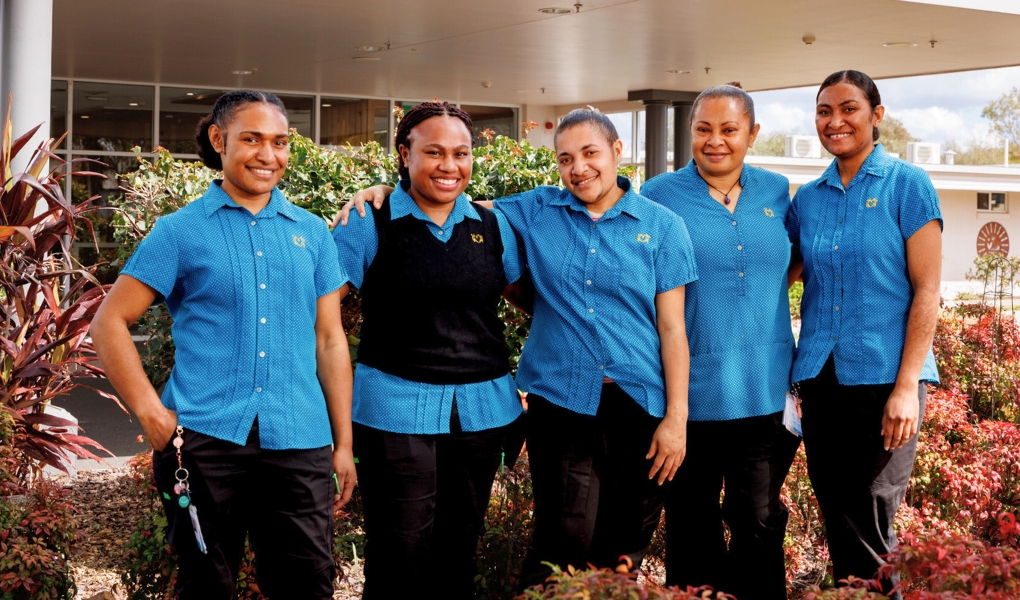
Priorities for building resilient teams in 2026
Looking ahead, resilience will remain a central focus for healthcare organisations. Providers who prioritise sustainable workforce strategies will be better equipped to navigate future challenges while maintaining high standards of care.
This includes:
- Strategic workforce planning
- Supporting staff wellbeing and retention
- Investing in professional development
- Building diverse and capable care teams.
Strengthening care through people
At its core, healthcare is a people-driven sector. The strength of care services depends on the dedication, skill and compassion of the workforce delivering them every day.
By focusing on resilience, collaboration and long-term workforce solutions, healthcare providers can continue to support communities and deliver the quality care that residents and patients deserve. As the sector evolves in 2026 and beyond, building resilient healthcare workforces will remain essential to sustaining strong, high-performing care environments.